




Introduction to Power Boating
1 Day Course
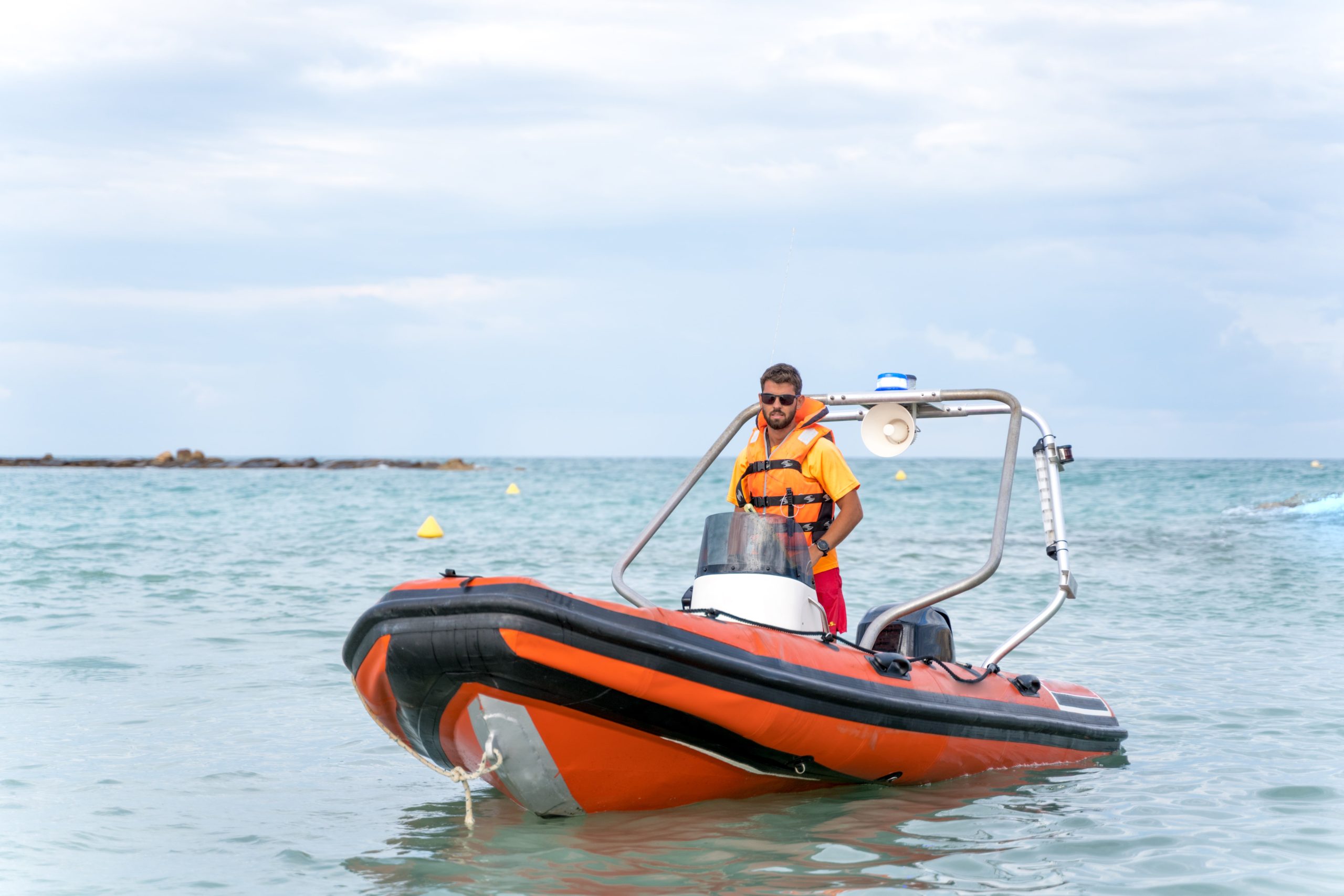
The aim of this course is to provide a short practical introduction to boat handling and safety on powerboats being used on all Irish waters No previous knowledge of power boating is required or assumed.
Course Duration:
The Introduction to Power Boating Certificate should ordinarily consist of a minimum of seven hours contact time. However the length of the course may be extended where it suits participants to take a more relaxed approach to the programme.
Types of Boat:
This course may be completed in any type of sailing dinghy, small keel boat orcatamaran. Your certificate will show what type of boat you used.
Course Content:
By the end of this course you will be able to do the following:
Preparation of boat for use:
- Be able to safely refuel a boat, stow fuel tanks & connect fuel lines.
Be able to identify and demonstrate the use of:
- Mooring lines, fenders, anchor and warp, boathook, bilge-pump, bailer, paddles or oars.
Be able to identify and describe the use of following equipment:
- Fire extinguisher, first aid kit, flares, whistle.
- Be able to stow and secure equipment on board.
Clothing & Equipment:
- Be able to select what clothing and footwear to wear while afloat.
- Be able to describe the different types of Personal Flotation Device available, and identify which is most appropriate for use on activity and when they should be used.
- Be able to correctly don the PFDs used during the course.
Basic Boat Handling:
- Be able to undertake appropriate pre-start checks on the engine and hull.
- Be able to start and stop the engine.
- Be able to steer the boat ahead and astern while making allowances for windage and current.
- Be able to anticipate the distance the boat will carry when in neutral
- Have demonstrated that they can keep an effective lookout while underway.
- Be able to describe the effect that excessive wash may have on moored boats.
Planing and Manoeuvring:
- When the course is conducted in a planing boat, be able to:
- Bring a boat safely onto the plane,
- Steer a straight course, turn while on the plane bring the boat off of the plane and while doing so
- Communicate effectively with crew
- Demonstrate observation and look out while driving at speed
- Demonstrate awareness for the effects of wash.
Leaving and coming alongside:
- As crew, have demonstrated that you can, when coming alongside and leaving a moored boat or pontoon;
- Prepare, use and stow mooring lines
- Prepare, use and stow fenders
- Safety and effectively use cleats, bollards and rings to both manoeuvre and secure the boat.
- Communicate effectively with the skipper and other crew members.
- Describe any likely hazards associated with this manoeuvre.
- Be able to describe, and as appropriate demonstrate, correct protocols for;
- Sharing cleats, bollards & rings.
Crossing other boats:
- The use of fenders.
- Securing to a mooring buoy.
- As crew, have demonstrated that you can, when picking up a mooring;
- Prepare mooring warp(s) for use.
- Use the boat hook to recover the buoy.
- Communicate with the helm.
- Making fast to the mooring.
- Release the boat from the mooring.
Anchoring As crew, have demonstrated that you can, when anchoring the boat;
- Prepare the anchor, chain and / or warp for use.
- Drop the anchor and pay out chain / warp as directed by the skipper
- Safely recover the chain / warp and weigh the anchor.
- Secure the anchor, anchor chain and warp.
Man Over Board:
- As crew, demonstrate what actions to take when returning to, and then recovering a man overboard.
Assessment
Assessment is continuous throughout the course.
Certification
ASL Introduction to Power Boating Certificate.
